
Introduction
In the realm of home maintenance, few aspects are as crucial as the comfort provided by your heating and air conditioning systems. An HVAC (Heating, Ventilation, and Air Conditioning) repairman plays a significant role in ensuring that these systems operate efficiently and effectively. With the changing seasons and rising temperatures, understanding what an HVAC repairman does and recognizing the signs that indicate you need one can save you cash and significantly enhance your home comfort.
Table of Contents
The Role of an HVAC Repairman
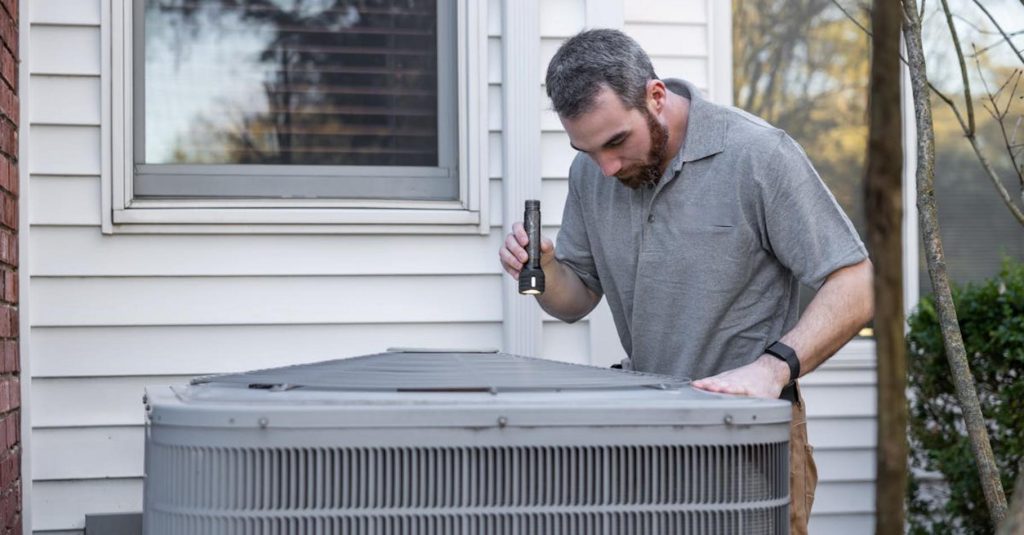
An HVAC repairman is a trained and certified professional who specializes in maintaining, repairing, and replacing heating and cooling systems. Here’s a breakdown of their primary responsibilities:
1. System Installation and Replacement
One of the key functions of an HVAC repairman involves the installation of new heating and cooling systems. They assess the home’s needs and recommend equipment that will perform effectively based on factors like square footage, insulation, and energy efficiency. If a system is outdated or too repair-intensive, they will suggest replacements that align with current technologies.
2. Preventive Maintenance
Regular maintenance checks are essential for extending the lifespan of HVAC systems. An HVAC repairman conducts scheduled maintenance that typically includes:
- Changing Filters: Dirty filters can hinder airflow, leading to inefficiencies in the system.
- Cleaning Coils and Ductwork: Dust and debris can accumulate and reduce efficiency. Professional cleaning enhances performance and air quality.
- Checking Thermostat Functionality: Ensuring that the thermostat is calibrated properly guarantees comfort and efficiency.
3. Diagnosing Issues
An HVAC repairman is equipped with specialized tools to diagnose problems effectively. They perform a thorough analysis of different system components and can identify issues ranging from minor malfunctions to significant failures. Common problems they focus on include refrigerant leaks, malfunctioning thermostats, and electrical issues.
4. Repairs
When issues arise, the HVAC repairman provides the necessary repairs to restore system functionality. This could involve anything from replacing a part to recharging the refrigerant. Clocking the system’s performance post-repair is crucial to ensuring longevity and safety.
5. Emergency Services
Sometimes, HVAC issues arise unexpectedly—often at the most inconvenient times. A professional HVAC repairman is available for emergency calls to address urgent problems like total system failures, which can create a dangerously uncomfortable environment, particularly in extreme weather conditions.
6. Consultation and Recommendations
Beyond repairs and maintenance, HVAC repairmen often serve as consultants. They provide advice on energy-efficient upgrades, recommend new technologies like smart thermostats, and help educate homeowners about their systems for improved operation and energy savings.
Signs It’s Time to Call an HVAC Repairman
Recognizing when to call an HVAC repairman can mean the difference between a minor inconvenience and a costly system failure. Here are some signs that it’s time to reach out:
1. Unusually High Energy Bills
If you notice a significant spike in your energy bills without changing your consumption habits, your HVAC system may be working overtime due to inefficiency or potential issues. A qualified HVAC repairman can diagnose the underlying problems and recommend solutions.
2. Frequent Cycling
If your HVAC system turns on and off frequently rather than running continuously, it might be struggling with issues. Frequent cycling can strain the system and increase wear and tear. An HVAC repairman can ensure that the system is functioning efficiently.
3. Inconsistent Temperatures
Rooms in your home should have a consistent temperature. If some areas feel warmer or colder than others, you might be dealing with airflow problems, duct issues, or HVAC malfunctions. A professional can assess and address these discrepancies.
4. Strange Noises
Unusual sounds from your HVAC system can signal various issues. High-pitched whistling, grinding, or banging noises should never be ignored. These sounds often indicate mechanical problems that require prompt attention from a knowledgeable HVAC repairman.
5. Unpleasant Odors
A musty or burning smell can indicate a serious problem with your heating and air conditioning system. If you notice such odors, it’s crucial to have an HVAC technician inspect your system to prevent potential hazards, including fire risks.
6. Age of the System
Every HVAC system has a lifespan. Generally, air conditioning units should be replaced every 10-15 years, while heating systems can last anywhere from 15-20 years. If your system is nearing the end of its lifespan and requiring constant repairs, scheduling a visit from an HVAC repairman is wise.
7. Humidity Problems
Moisture levels in your home are vital not just for comfort but for avoiding issues like mold growth. If your air conditioning unit is not dehumidifying effectively, an HVAC professional can assist in resolving these issues.
Practical Tips for HVAC Maintenance
As a homeowner, you can take proactive steps to ensure your heating and air conditioning systems remain in peak condition. Here are some practical tips to maintain your HVAC systems:
1. Regular Filter Changes
One of the simplest yet most effective ways to enhance HVAC performance is by changing air filters on a regular basis, ideally every 1-3 months based on usage.
2. Clear Debris from Outdoor Units
Ensure that your exterior AC units are free from leaves, dirt, and other obstructions. This promotes optimal airflow and efficiency.
3. Seal Leaks
Inspect your home for air leaks around windows and doors. Sealing these leaks can improve your HVAC efficiency, reducing the workload on your system.
4. Yearly Tune-Ups
Schedule an annual maintenance check with a qualified HVAC repairman. These tune-ups can catch potential issues before they develop into costly repairs.
5. Use a Programmable Thermostat
A programmable or smart thermostat can optimize your energy use by allowing you to set different temperatures for different times of the day, potentially lowering your bills.
Why Choose Apollo Heating and Air Conditioning?
At Apollo Heating and Air Conditioning, we take pride in providing exceptional service that meets the needs of our community members. Our team of certified HVAC repairmen is dedicated to ensuring your systems run smoothly and efficiently. We offer a range of services, including preventive maintenance, emergency repairs, and installations.
We believe in exceeding our customers’ expectations. That’s why we are committed to transparent pricing, adherence to schedules, and top-notch customer service. By choosing Apollo Heating and Air Conditioning, you can feel confident in our expertise and enjoy peace of mind knowing that your home’s comfort is in capable hands.
Conclusion: Take Action Today!
Understanding what an HVAC repairman does and recognizing when to reach out for help can significantly improve your home’s comfort and air quality. Regular maintenance, prompt repairs, and wise consultations lead to a more effective heating and air conditioning system, ultimately enhancing your quality of life.
Don’t wait for problems to escalate; reach out to Apollo Heating and Air Conditioning today. Our professional team is ready to handle all your HVAC needs with expertise and care. Whether you need a minor repair or a new system installation, we are here to assist you – your comfort is our priority!
Contact us now or schedule your service, and let’s ensure your home remains a welcoming sanctuary all year round!