
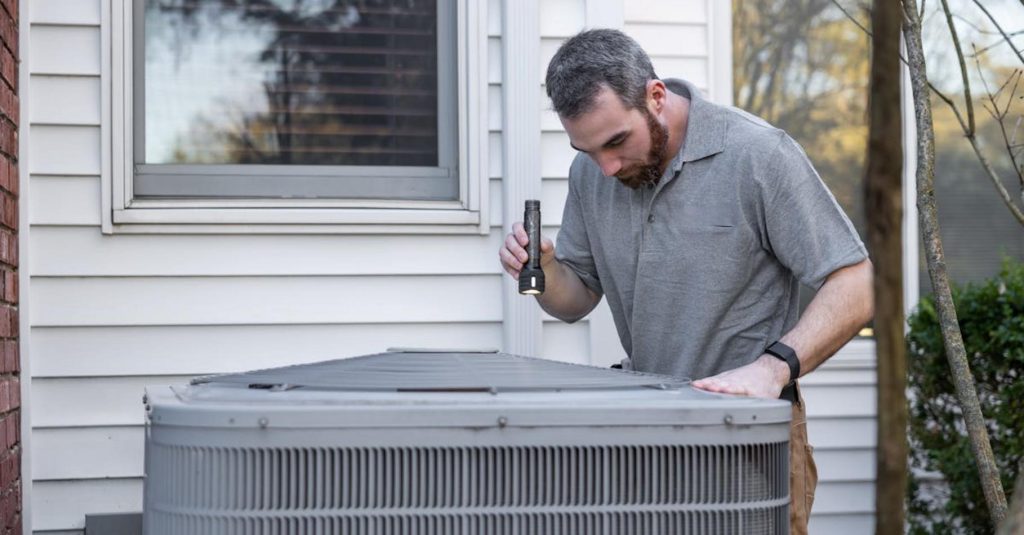
What Does an HVAC Technician Do and When Should You Call One?
When it comes to maintaining a comfortable and safe living environment in our homes, the role of an HVAC technician is paramount. As we navigate through fluctuating temperatures, understanding what an HVAC technician does and when to call one can significantly enhance our indoor air quality and energy efficiency.
In this blog post, we will explore the crucial responsibilities of HVAC technicians, highlight some modern repair technologies, and offer practical tips for homeowners and renters alike. As always, Apollo Heating and Air Conditioning is proud to lead the way in providing expert services in heating, ventilation, and air conditioning.
Table of Contents
- Understanding the Role of an HVAC Technician
- When to Call an HVAC Technician
- Modern Repair Technologies in HVAC Services
- Practical Tips for Homeowners and Renters
- Conclusion
Understanding the Role of an HVAC Technician
An HVAC (Heating, Ventilation, and Air Conditioning) technician is a trained professional responsible for installing, repairing, and maintaining systems that regulate indoor climate conditions. Whether it’s a furnace keeping you warm in winter or an air conditioner offering respite during the summer heat, HVAC technicians play a vital role in ensuring these systems function efficiently.
Key Responsibilities of an HVAC Technician:
- Installation of HVAC Systems: An HVAC technician is tasked with installing a variety of heating and cooling systems, ensuring everything is set up according to safety standards and manufacturer specifications.
- Routine Maintenance and Inspections: Technicians conduct checks to ensure that systems operate efficiently and safely, often catching issues before they become costly repairs.
- Troubleshooting and Repairs: A well-trained technician has the skills to diagnose issues, minimizing downtime with advanced diagnostic tools.
- Ventilation System Management: Proper ventilation is crucial to preventing mold growth and improving indoor air quality.
- Customer Education: HVAC technicians guide homeowners on maintenance, empowering them to make informed decisions regarding their home comfort.
When to Call an HVAC Technician
Knowing when to call an HVAC technician can save you time, money, and potentially prevent larger issues that may arise from neglected systems. Here are several situations where it would be beneficial to reach out to a professional:
Signs of HVAC Issues:
- Inconsistent Temperatures: If different rooms in your home experience uneven temperatures, it may indicate a problem with your HVAC system.
- Unusual Noises: Loud banging or screeching sounds can signal a malfunctioning component.
- Increased Energy Bills: A significant spike in your energy bills without a change in usage can suggest inefficiencies.
- Frequent Cycles: If your HVAC system cycles on and off more often than usual, it indicates an underlying issue.
- Poor Air Quality: An increase in allergies or respiratory issues may be tied to your HVAC system’s performance.
- Age of the System: If your HVAC system is more than 10-15 years old, regular maintenance is crucial.
Modern Repair Technologies in HVAC Services
The HVAC industry is constantly evolving with advancements in repair technologies. Here are some modern technologies making waves in HVAC services:
- Smart Thermostats: These devices learn habits and preferences, adjusting temperatures for optimal comfort.
- Ductless Systems: These provide efficient heating and cooling options without the need for extensive ductwork.
- Leak Detection Technologies: Sensors that detect refrigerant leaks or airflow blockages enable proactive repairs.
- Zone Control Systems: These allow homeowners to customize temperatures in different areas of the house.
- UV Light Technologies: Installing UV lights can help eliminate airborne viruses and bacteria, ensuring cleaner air quality.
Practical Tips for Homeowners and Renters
In addition to knowing when to call an HVAC technician, here are proactive steps homeowners and renters can take to maintain their systems:
- Regular Filter Changes: Replace or clean filters every 1-3 months to ensure proper airflow and efficiency.
- Clear Heater and AC Vents: Ensure that vents are free of obstructions to allow for optimal airflow.
- Schedule Biannual Maintenance: Plan for a seasonal check-up to keep your HVAC system in top shape.
- Seal Ducts: Check for air leaks in ducts, which can significantly impact efficiency.
- Monitor Humidity Levels: Aim to keep indoor humidity between 30-50%.
- Consider Energy-Efficient Upgrades: Explore upgrading to more energy-efficient systems to reduce costs and environmental impact.
Conclusion
The role of an HVAC technician is vital for maintaining comfortable residential environments. Understanding their responsibilities and recognizing the signs that require their expertise can save homeowners time, money, and stress. Innovative repair technologies are continuously improving the HVAC industry.
If you’re experiencing issues with your heating or air conditioning systems, or if you’re interested in enhancing your home comfort with advanced solutions, reach out to Apollo Heating and Air Conditioning today. Our team of skilled technicians is here to provide the quality service you can rely on. Contact us now for assistance or to schedule your next HVAC maintenance service at (855) 904-2251.